No products in the cart.


Springfield native Ruth E. Carter keeps making Oscars history
Ahead of Sunday’s ceremony, Carter talks Springfield, “Seinfeld” — and the Massachusetts connection to “Sinners” costumes.
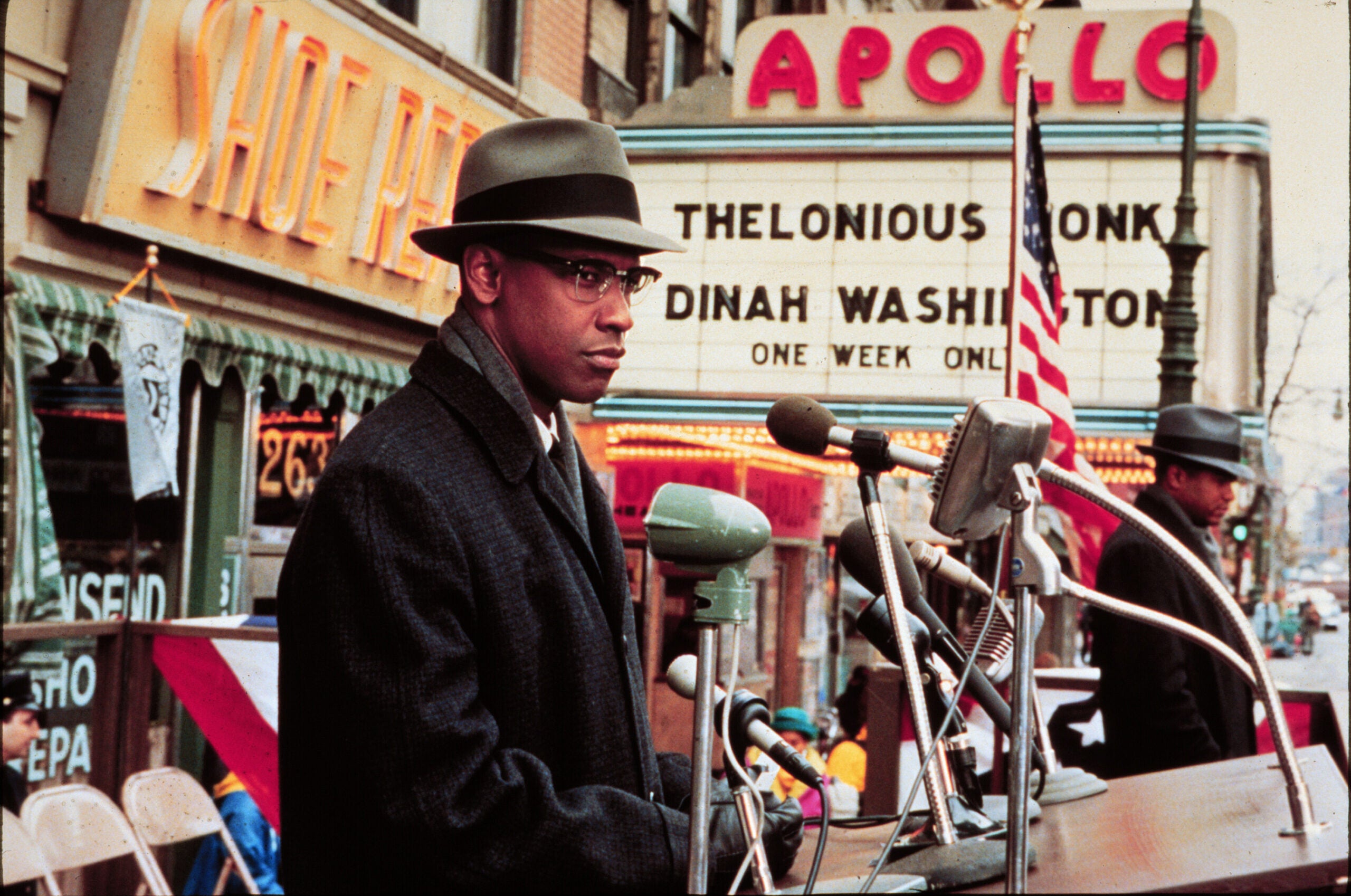
When I reach Ruth E. Carter, she’s at her LA home wondering how to dress Denzel Washington.
This is not the first time she’s pondered this.
I’m calling, ostensibly, to talk about her historic fifth Oscar nomination.
It’s not her first historic Oscar moment, either.
With the Springfield native’s fifth Oscar nomination for “Sinners” — her first was for dressing Washington & company in “Malcom X” — Carter becomes the most-nominated Black woman in Oscar history.
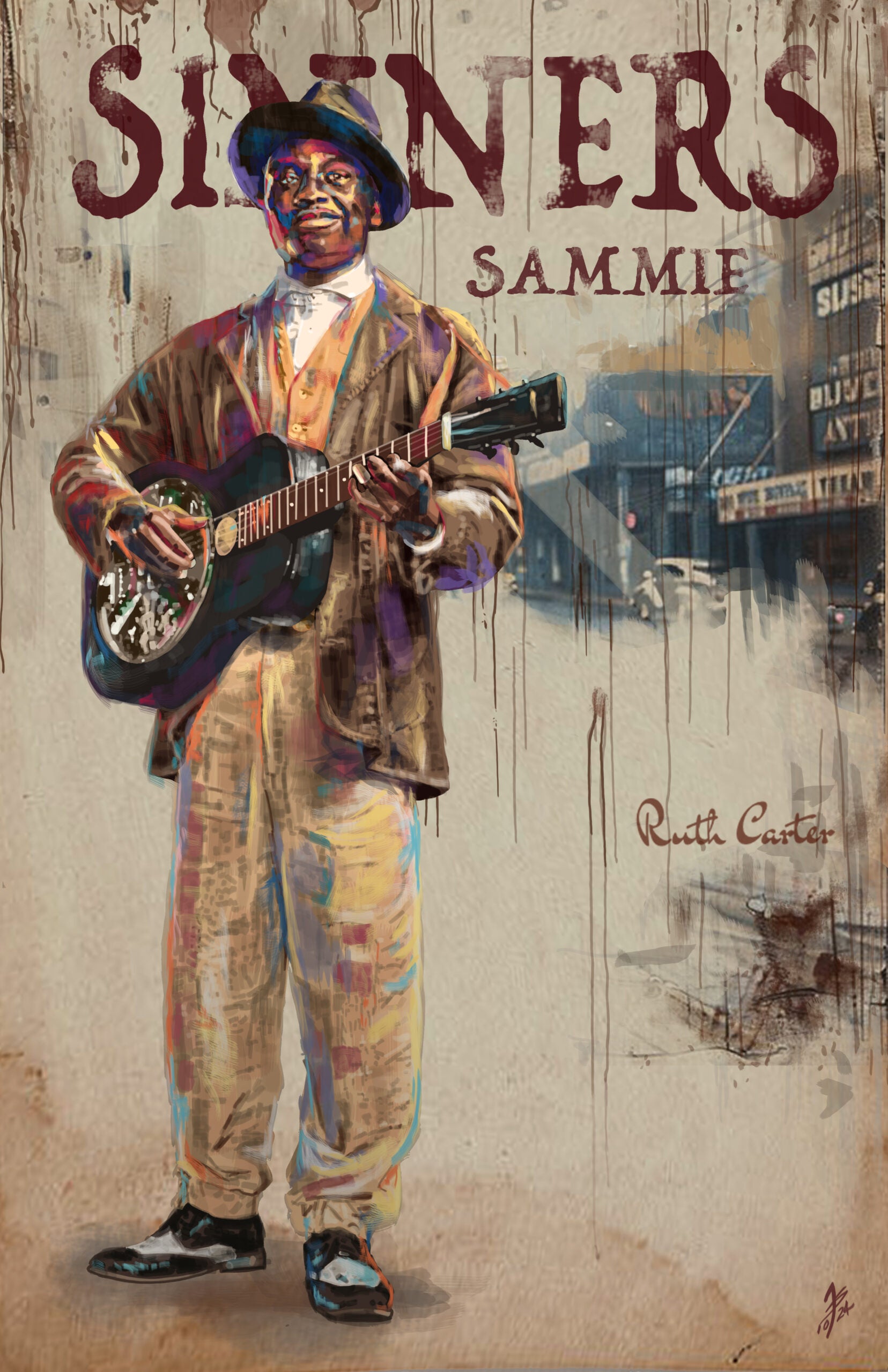
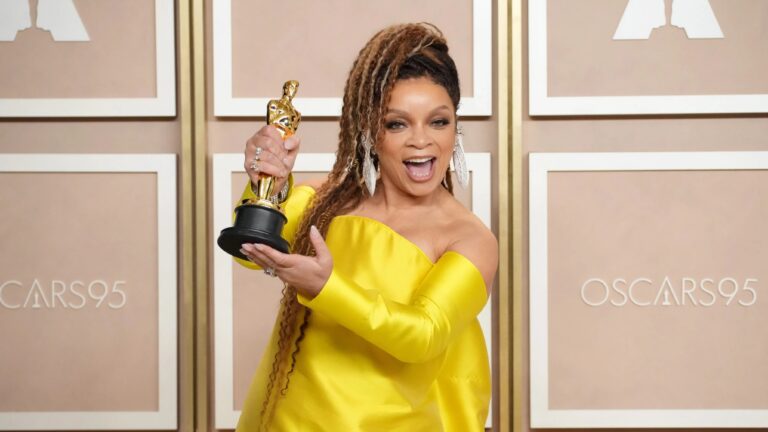
In 2019, Carter made history as the first Black person to win the Oscar for Best Costume Design. In 2023, she became the first Black woman to win multiple Academy Awards in any category.
Advertisement:
If she wins Sunday, the New England native will make history again, as the first Black person to win three Oscars, per ABC. If so, she’ll do it fittingly – in a gown she made herself.
“I design my own dress because I’m full-figured. Some of the big designers will custom-make larger stuff — but not for me! I don’t know why they want to do for meee,” she says with a laugh. “So I have to design it myself. Is so much pressure!”
I called Carter — who has honorary doctorates from Boston’s Suffolk University and Northampton’s Smith College — ahead of the 98th Annual Academy Awards on Sunday, hosted by another Massachusetts native, Conan O’Brien.
Advertisement:
We talked “Seinfeld,” “Sinners,” her upcoming project with Denzel, how her Springfield childhood shaped her art — and the Massachusetts clothing connection to “Sinners.”
When you heard you were nominated, did it immediately click that this was historic?
Well, when I was nominated for “Malcolm X” I made history as the first black woman to be nominated in costume design. When I won for “Black Panther,” I became the first black woman to win an Oscar in costume design. So I figured my history-making was done.
[laughs] Right.
I was happy to hear “Sinners” got a historic number of nominations with 16. My nomination was icing on the cake. But I don’t know if you really think about making history. You don’t work for that. You work to make an impact. I mean, maybe, if it’s for the Guinness Book of World Records, and you think: “I’m gonna make history and be the one who eats the most hot dogs.”
[laughs] For “Sinners,” what was your vision going in?
I love telling the African American diasporic identity. I like telling our story about how we embarked in this country, and created culture, and made something out of nothing. That’s been something I’ve loved from the beginning.
Advertisement:
I think of being in theater at [Springfield’s former] StageWest and doing “A Raisin in the Sun” and thinking how to make that imagery as authentic as possible. [Design] has been something I’ve loved for a long time.
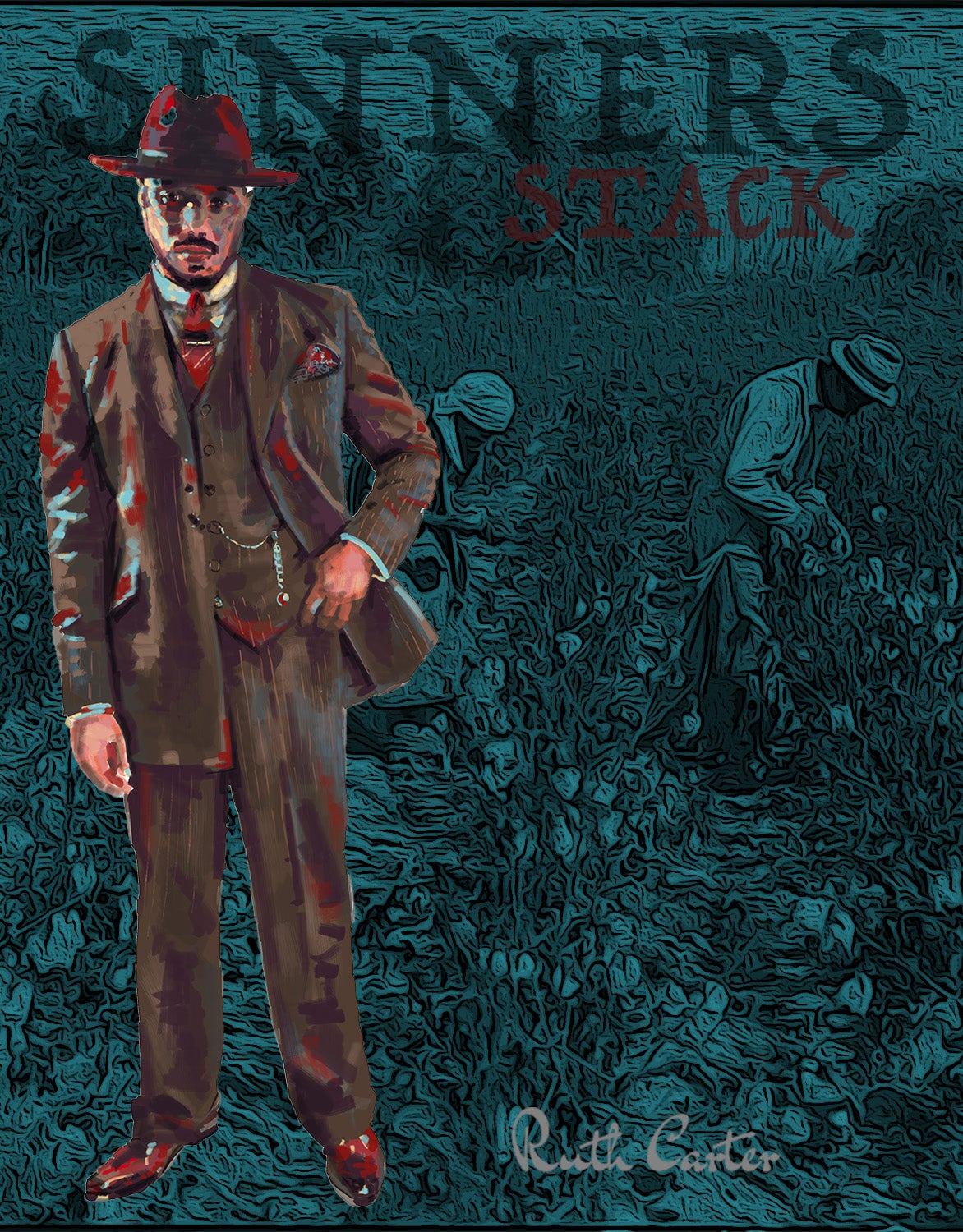
To give me a period piece means you’re going down a road I’ll excel in. Vampire film? Not so much. I was thinking, “Wow, how am I going to do that?” We did it with careful planning with my team. [Characters] had to become vampires and get their clothes bloody. Michael B. Jordan played his own twin, so we had to make it easy for him to go back and forth.
There’s a lot of misconception about what a costume designer actually does — you’d be surprised at the amount of building and workroom activity. It’s not like you go to a store and just buy stuff.
I’m interested in your process. You want the clothes to look lived in. You want them to reflect the character.
Exactly. I read the script, we see how many characters we have to dress. I do mood-boards, and bring my team together so they know how we’re going to compose this picture. We might use more blues and browns, no purples or yellows — those are the kinds of things we discuss, because we don’t have a cast in the beginning.
Advertisement:
Then we collect clothes. For “Sinners” I went to the Brimfield [Antique Flea] Marketplace in Brimfield, Mass. — it’s a major antique marketplace. I got samples of period garments, and we made multiples based on details we learned from those pieces.
We need at least six or seven per character to actually get through a whole film. We don’t shoot it in order of the story. So sometimes they’re bloody first, then go back to film an earlier scene when they’re clean. We’ve got to be prepared. We don’t want to hold up camera.
Then as the cast comes in, we go through consultation with them. I share all that with the director, who’s the final decision-maker.
Do you ever work from Massachusetts? What brought you to Brimfield?
Well, going to a vintage fair in Massachusetts is easy. I stay at my mom’s house. But I do travel a lot in my profession. I also have crew out of Boston, New Orleans, Atlanta — I have crew all over the place.
There are these great manufacturers in Boston. On “Sinners” we had pants made and shirts made. Usually we go all the way to China to have stuff manufactured, but there’s some great ones in Boston.
That’s awesome. And what’s your next project?
[A Netflix epic with] Denzel Washington as Hannibal. Not Hannibal Lecter— it’s Hannibal Barca [born 247 BC, a Carthaginian general who led Carthage in the Second Punic War.] People hear Hannibal, and go “Oooooh! Another scary movie!” [laughs]
Advertisement:
Right, “Sinners” was vampires.
So there’s like a five, six-month prep where we work with illustrators, gather information. Then I’ll transition to the filming location, set up an office there. A crew will report everyday, just like any other job.
[embedded content]
How do you pick your projects?
I have an agent who knows what’s cooking around Hollywood. She might say, “Hey, do you want me to put you up for this job?” I take a meeting, bring some ideas. I have some thoughts. We sit and talk, then they decide if they want me on or not.
What draws you to a project?
A challenge. I love period pieces, but there has to be a challenge within that.
Going back to your roots, you told me you grew up drawing and sewing with your mother’s sewing machine. Did costume-making come to you naturally?
No. I had fun sewing, but I wasn’t serious. I remember I made an orange, puffy vest— like, pumpkin orange. I made a blazer out of cut-up jeans. I never wanted to wear anything I made. I just wanted to make stuff.
You wanted to be an actor at first.
I did. I was in the Upward Bound program at UMass. I loved that. You had a dorm to decorate. We had a drama program, and my family drove up from Springfield to see us perform at the end. I fell in love with drama. I was in a similar program, Uhuru Sasa, at Amherst College. My dreams were fueled by these programs.
Advertisement:
When I went to Hampton University, I actually went for special education. That was more practical, to be a teacher. I thought maybe I could do theater for the deaf. I was interested in special needs children. Meanwhile, I’m auditioning for plays, gravitating more towards theater. Finally, junior year, I changed my major.
I became known at Hampton as the costume designer. I was doing all the plays. When I graduated, I was like, “Oh my God, I didn’t really have formal training at this so I better get some.”
You graduated in ’84, and went back to Springfield.
I applied for an internship at StageWest, which became City Stage in downtown Springfield. They gave me an apartment, a food stipend. We built shows during the day, ran the shows at night. It was a fantastic experience. They were very supportive of their interns — I had my own apartment! That internship led me to the Santa Fe Opera. I drove my little Volkswagen Rabbit from Mass. to Santa Fe.
By yourself?
I went to AAA and got a TripTik. You don’t even know what that is.
[laughs] I don’t.
[laughs] It was a map AAA used to give out. They’d highlight the road, and as you’re driving, you flip the pages. So I got that, drove to Santa Fe, did the opera. We built, like, six operas from the ground up. I had little holes in my fingers from all the hand-sewing. I realized I didn’t want to be a sewer from that experience. [laughs]
Advertisement:
Then my brother married a Los Angeleno; her parents said if I wanted to pursue costume design in LA, I could stay with them. I drove to LA and stayed with my brother’s in-laws for a year.
There, you met Spike Lee by chance.
I met Spike while I was freelancing around LA. He came to a show I designed. I was still trying to pursue theater, but he told me to get film experience. He told me to go to USC or UCLA and volunteer on a student’s thesis project. You’ll get experience for free. Before I knew it, I was on a film set.
What was the transition like, going from theater to film?
A big one. Because [in the] theater, you lose detail, so you have to really paint the detail in big, so the audience can see it. Film is amplified 500 percent, so you could see a chipped nail.
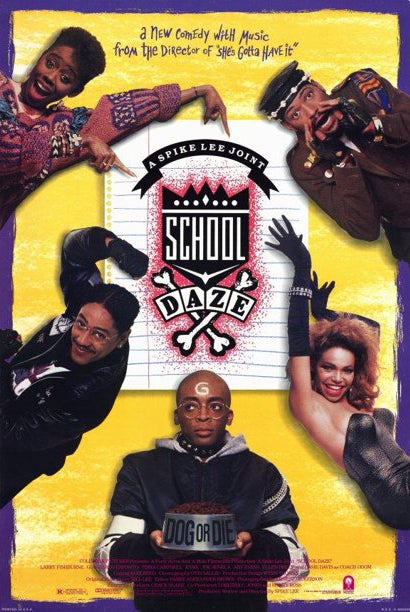
I got a great project as my first movie, [Lee’s] “School Daze.” I was able to still be myself. With “Malcolm X,” we had Zoot suits, so there was always this element of theater that I knew really well, and played out in my early work.
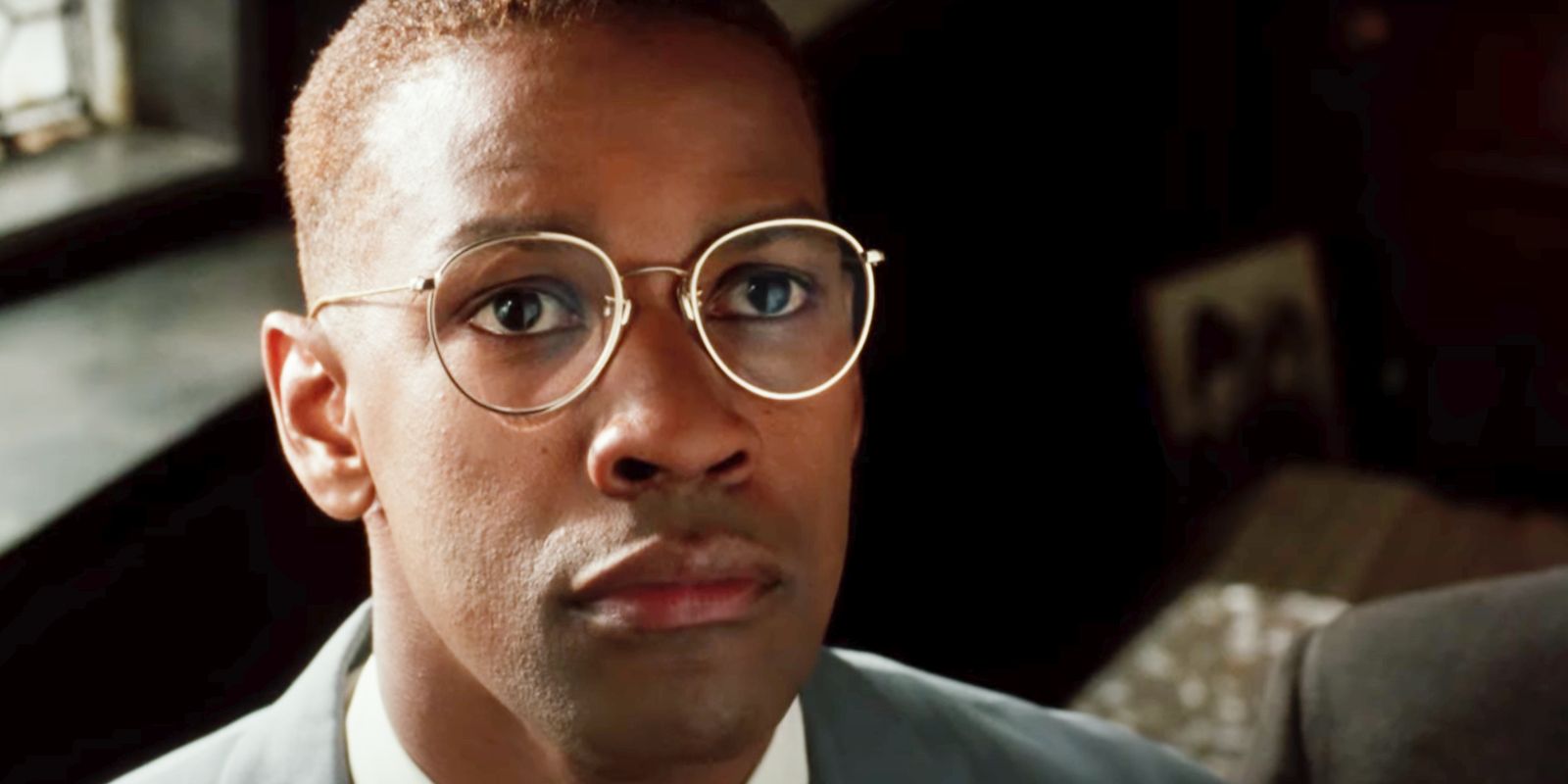
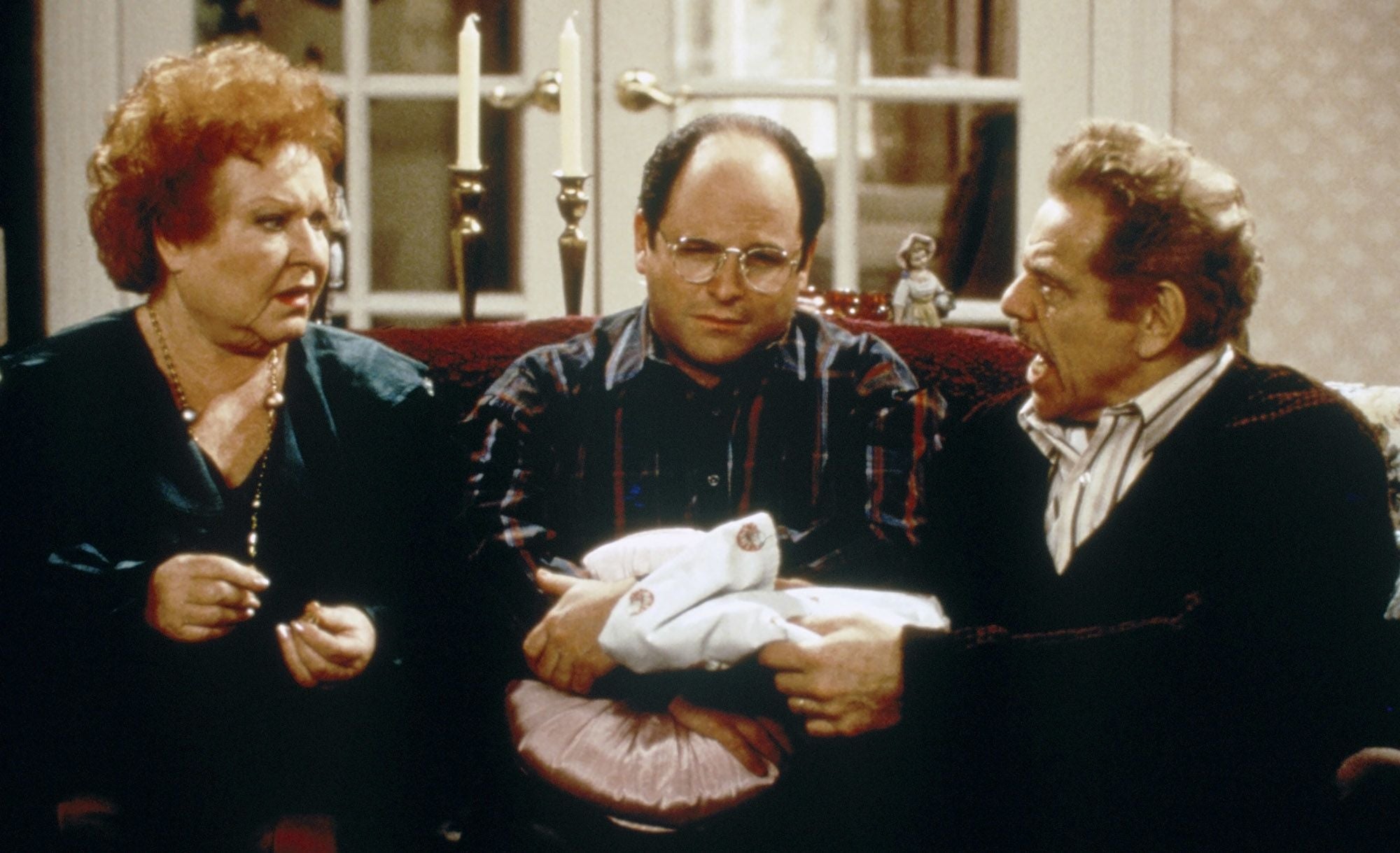
With “Malcolm X,” there’s a “Seinfeld” connection. You ended up leaving your mark on the show, by giving Jason Alexander the iconic George glasses.
Yes, George Costanza! So I got the pilot for “Seinfeld. I remember fitting [Jason Alexander] and he said, “I was thinking I wanted to wear glasses.” I had the glasses from “Malcolm X,” so I put them on his face. He was like, “Yeah, something like this!” So we went out and we got his own glasses with his prescription And, there it is.
Advertisement:
That’s amazing. And those are kind of the ones he stuck with the whole show, yeah?
Yeah! Those gold wire-rim glasses!
Iconic. So you must’ve made a name for yourself pretty quickly?
Not really. I was more in the independent sector. I worked with Spike, then Robert Townsend, Keenen Ivory Wayans.
It wasn’t until after I got an Oscar nomination for “Malcolm X,” that Hollywood took notice. Then I started getting bigger jobs. I did the Ike and Tina Turner story [“What’s Love Got to Do With It].” I wasn’t a TV person. “Seinfeld” hadn’t been proven yet, it was just a pilot. So those are my in-between jobs to pay my rent. I was always looking for the next feature.
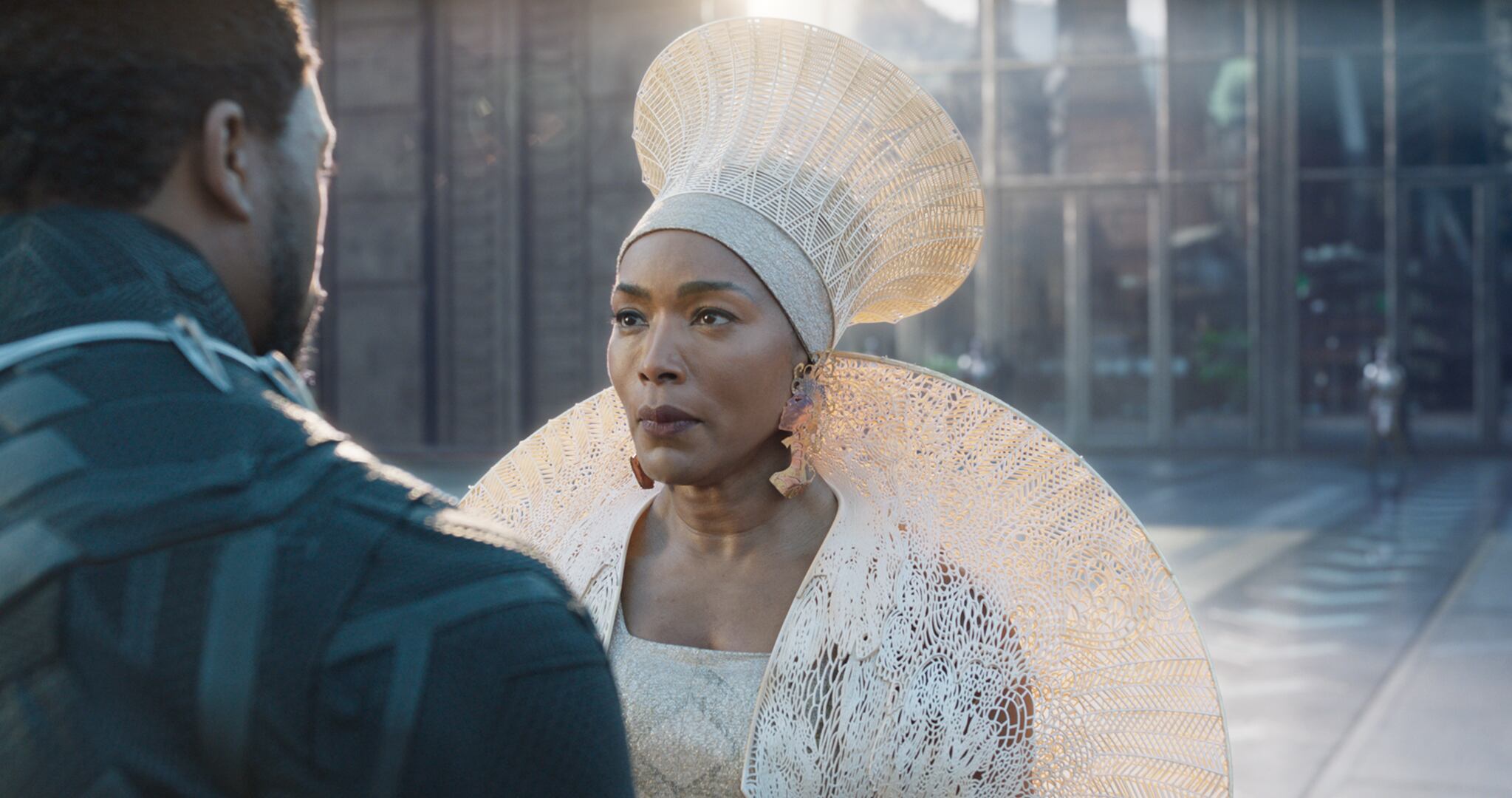
“Black Panther” was a major blockbuster. Those costumes are beyond striking.
I’d never done a superhero film before, so I was curious why Marvel and Ryan Coogler had called me in to interview.
Ryan had seen a lot of my movies. He’d studied Spike Lee at USC, and knew I could build worlds. Quickly, I understood my assignment on “Black Panther,” and that there would be a layer of learning with building these specialty costumes. I crewed up with people who had experience with that.
You said you never imagined yourself doing a superhero movie or a vampire movie. Any other genres you want to tackle?
I want to do like a “Moulin Rouge” set in the Harlem Renaissance.
Advertisement:
That would be epic. Does that exist? Are you just coming up with that?
I just came up with that.
OK, somebody should make that.
[laughs] Yeah, let’s put it out there. Somebody write it!
[laughs] So you told me you’ll make your own dress for Oscar night. Are you working on it now?
Oh, it’s done. I have three. I can wear one dress to the Oscars, a second to the Governor’s Ball right after, and a third to the Vanity Fair party. So I’ll rate them in order of like where they belong — The Oscars, you have to sit a lot. At the ball you’re eating and mingling. Then at the Vanity Fair party, you’ve got to be at the height of chic because they’re gonna photograph.
Anything you want to add about your journey from Mass. to the Oscars?
I have my mom to thank for my storytelling, because she worked for the city in the ‘60s as a parapsychologist. It seems metaphysical, but she was more of a counselor. I know about people from my mother’s empathy. She could see beyond the surface of a person. And that really does go into my work.
That’s beautiful. And do you come back here often?
I go back to take a break. I love hiking in the woods. Massachusetts is a place of solace for me.
Interview has been edited and condensed.
Lauren Daley is a freelance culture writer. She can be reached at [email protected]. She tweets @laurendaley1, and Instagrams at @laurendaley1. Read more stories on Facebook here.
Sign up for the Today newsletter
Get everything you need to know to start your day, delivered right to your inbox every morning.


 Boston Live News